
Motion Graphics - From TV Graphics to Digital Marketing
What is Motion Graphics?
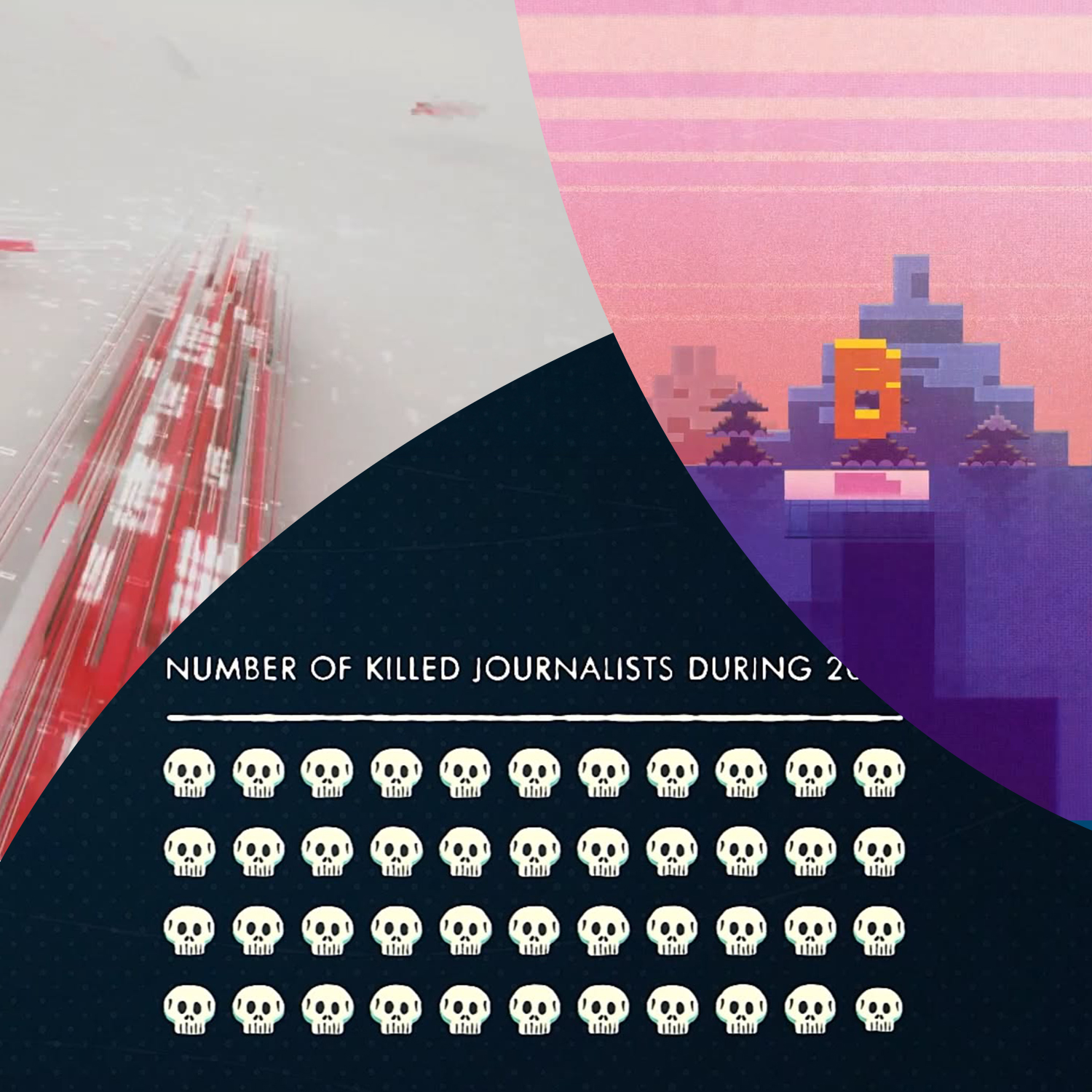
Motion graphics are a form of visual communication where movement, typography, shapes, and infographics are used to explain information clearly and efficiently. If you've ever watched a news program, documentary, or talent show, you've already encountered them in the form of TV graphics.
We have more detail about the commercial side of motion graphics
The technology from television laid the foundation for what we now call motion graphics. Now, this kind of moving design is popping up just about everywhere - in digital marketing, on social media, and in how brands talk to us.
Television graphics pioneered motion graphics, and that matters to anyone who works with visual storytelling.
What TV graphics were really created for
Television graphics have always had a fairly distinct role: supporting the narrative on screen. Although the elements often look simple, they contribute structure and context.
Some examples you probably recognize:
Openings and logos
Appears in the very first seconds of the program and sets the tone instantly.
Lower thirds and information boxes
Small banners showing names, locations or brief info to help the viewer keep up with who is talking and what it's about.
Maps and infographics
When something complex is to be explained, visual aids make it easier to follow along. Timelines, charts and geographical illustrations belong here.
Bumpers
Short animations that tie together different parts of the program and keep the pace even.
Other visual elements
Icons, short messages and subtle graphic overlays that enhance the mood and give the program more personality.
From the beginning, TV graphics were about clarity, rhythm and visual wholeness. Today, the same principles are used far outside traditional television production. What we learned there - communicating clearly, reinforcing the important and directing the gaze correctly — has become the basis for how we work with motion graphics. Same principles, new platforms.
How motion graphics grew out of TV production
When digital media became a natural part of everyday life, a lot changed. Websites, apps and social platforms opened up whole new possibilities for storytelling. At the same time, people became more demanding - information would be both engaging and easy to absorb.
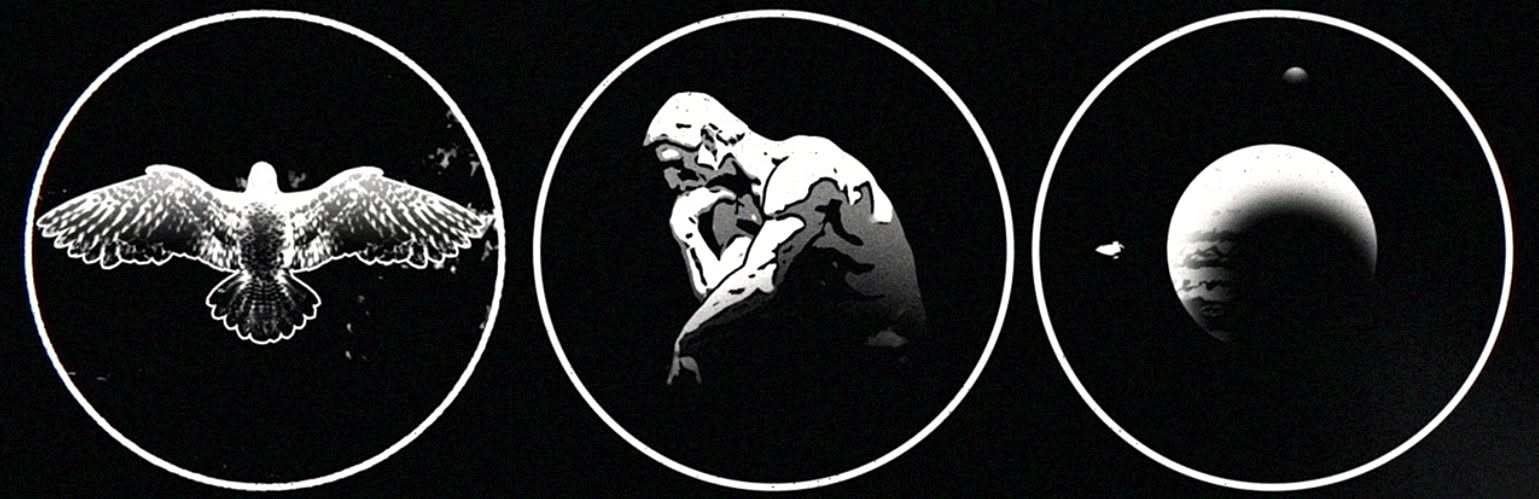
This created space for moving graphics. While TV graphics remained linked to broadcast, motion graphics evolved into something more flexible that works in almost any digital context. The same technology once used for a news vignette can now, for example, explain a digital service, visualize a workflow or introduce a product on social media.
Why Motion Graphics & Infographics?
Motion graphics are a form of visual communication where movement, typography, shapes, and infographics are used to explain information clearly and efficiently. If you've ever watched a news program, documentary, or talent show, you've already encountered them in the form of TV graphics.
Some everyday examples:
- A short video presenting a product in a social feed
- A visual explanation of how a service works
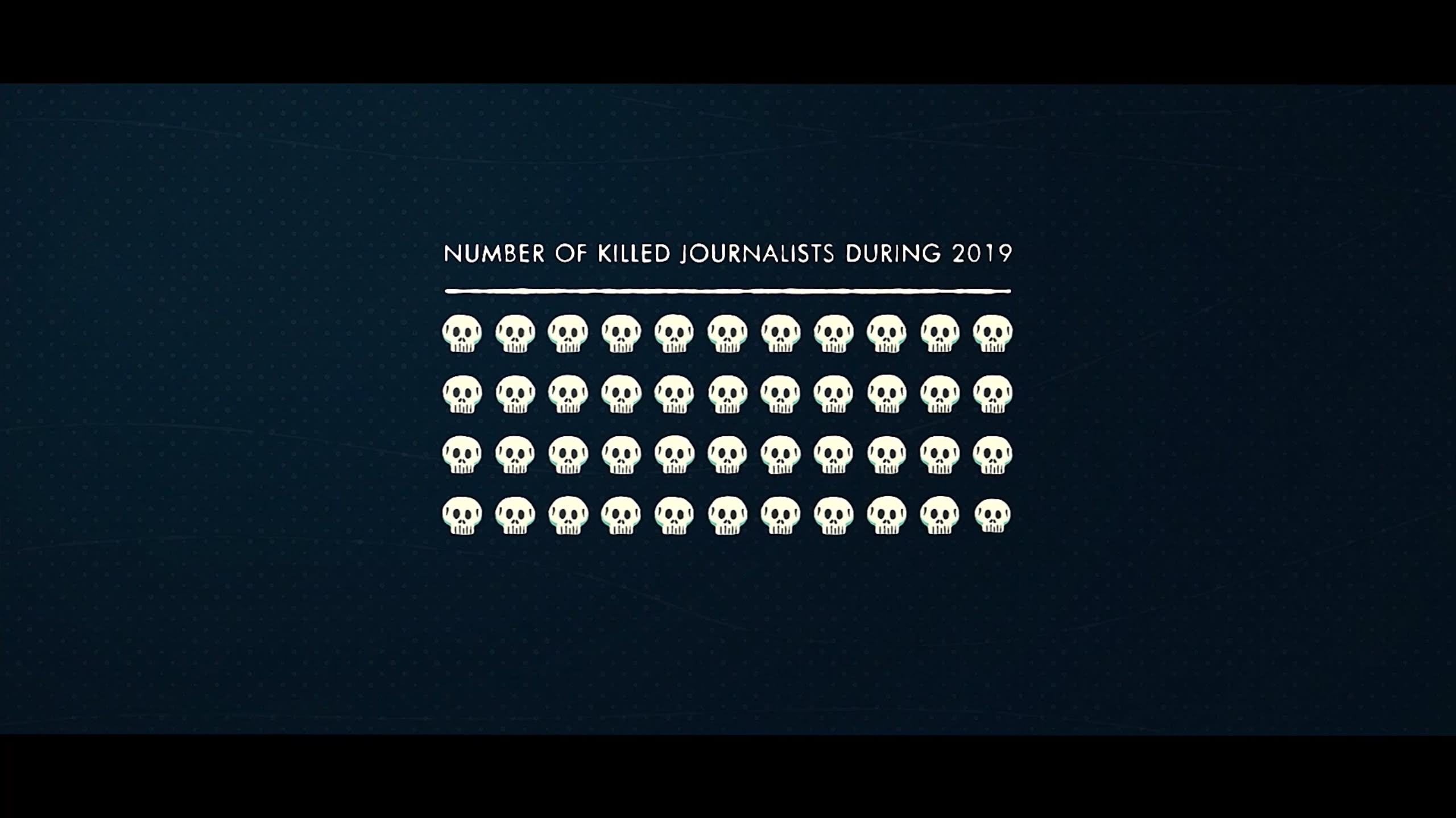
- A data visualization that makes statistics easier to read
- Titles and transitions in a commercial
- An educational film used in onboarding
What we've seen is that the format often simplifies - a process that feels overwhelming in text can become crystal clear visually, especially when the information is complex.
Why motion graphics work so well in modern marketing
It's no secret that people today are overwhelmed with information. Attention is short and you often decide in a few seconds whether something is worth seeing. Static images do not always reach the fore, but movement catches the eye instantly and arouses curiosity.
Therefore, the format works:
- Captures attention quickly
Even small movements draw the gaze, especially in social feeds.
- Simplifies difficult ideas
A clear animation often explains faster than text.
- Make the data more interesting
Animated charts and icons engage more than numbers in tables.
- Make brands feel modern
Thoughtful design gives the impression of quality.
- Works everywhere
TV, web, presentations, YouTube, LinkedIn, Instagram - the format can be adapted to everything. Often a simple animation is enough to change the way an ad is perceived.
In practice, it becomes simpler: information becomes clearer and easier to absorb, no matter where it appears.
How we work with motion graphics
We at Studio Konkret are an animation studio working with motion graphics and infographics, with experience from TV graphics, VFX, and visual communication. What we are trying to do is to get customers' ideas to actually come out - clearly, visually strong and with the technical quality required.
Our workflow usually looks like this:
- Concept and script
We start by defining the message and what tone fits.
- Design and storyboard
Here we build the visual language of the project - typography, colors, structure. The storyboard shows how each scene develops.
- Animation and sound
The movement ties it all together. The right timing and sound design create sensation.
- Delivery and Optimization
We adapt the material for the platforms on which it will be displayed. Mobile, computer or TV screen.
What can we expect in the future?
The journey from TV graphics to motion graphics shows how visual communication has changed. What once only supported television broadcasting is now shaping marketing in all digital channels.
Whether you want to launch a campaign, visualize data, or explain a service, motion graphics offer a clear way to do that.
When so much happens at the same time, we notice how important clarity has become. People are met with messages from all sides, all the time. Moving graphics help create that clarity so that information actually reaches and gets stuck, instead of just disappearing into the noise.

Get in touch
If you are curious about how moving graphics could work for your business: in commercials, campaigns or social media, we at Studio Konkret are happy to help.
Sometimes a short conversation is enough to get a clearer picture of the possibilities. Email us Linus@studio-konkret.se or call us +46 707 743836