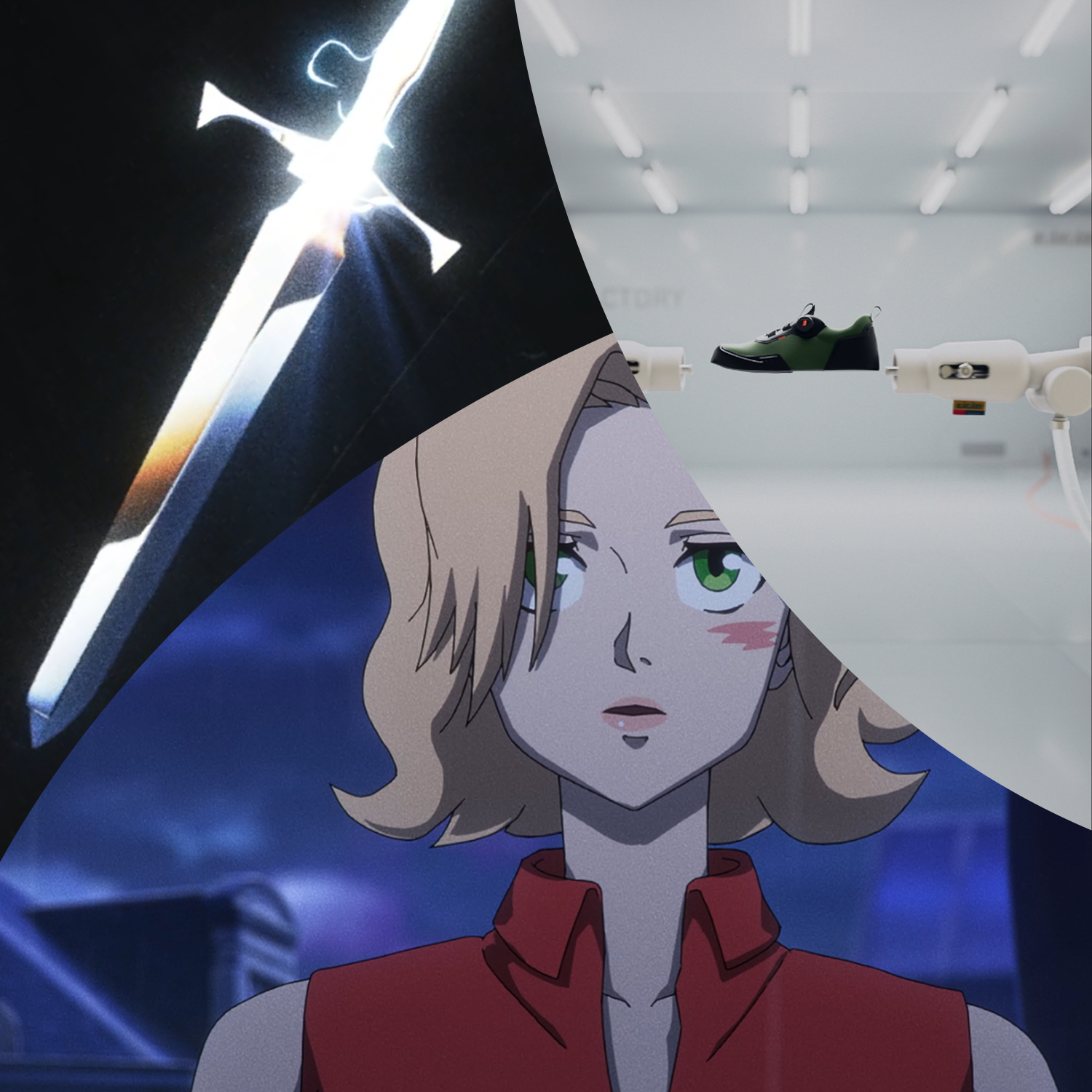
Nereus: The Mechanism
We once again had the opportunity to work with Vanda, this time for the launch of their motion sickness medication, Nereus. The project was produced during spring and summer 2026 and launched during the NBA finals across the USA.
The film revolves around a couple embarking on a sailing trip off the coast of Mykonos. The story draws inspiration from Greek mythology, ancient engineering, and a sense of mysticism, where a handcrafted aesthetic met a more technologically advanced production.
Client: Vanda Pharmaceuticals
Production Company: Studio Konkret
Producer: Linus Rosenqvist
Line Producer: Olle Bergmark
Director: Line Hagsand
Character Animation: Sebastian Ljungdahl, Debbie Ekberg, Line Hagsand
2D Animation: Olle Bergmark
3D Animation: Viktor Jämterud
Compositing: Olle Bergmark
Background Illustrations: Keen Art
Sound Design: Noah Hägglund
Intro
All characters in the film are fully cel-animated, meaning they are drawn frame by frame. This process begins with an initial sketched animation, often called a 'rough,' where the movement and feel are established. Each frame is then cleaned up, before everything is finally colored and placed into the finished environment.
It's quite a linear and time-consuming way of working, but also one of the most vibrant. Every small movement, glance, and gesture must be created by hand. This makes the process slower, but it also gives the result a warmth and presence that is difficult to recreate in any other way. It's the kind of movie magic many remember from classic animated films from childhood.
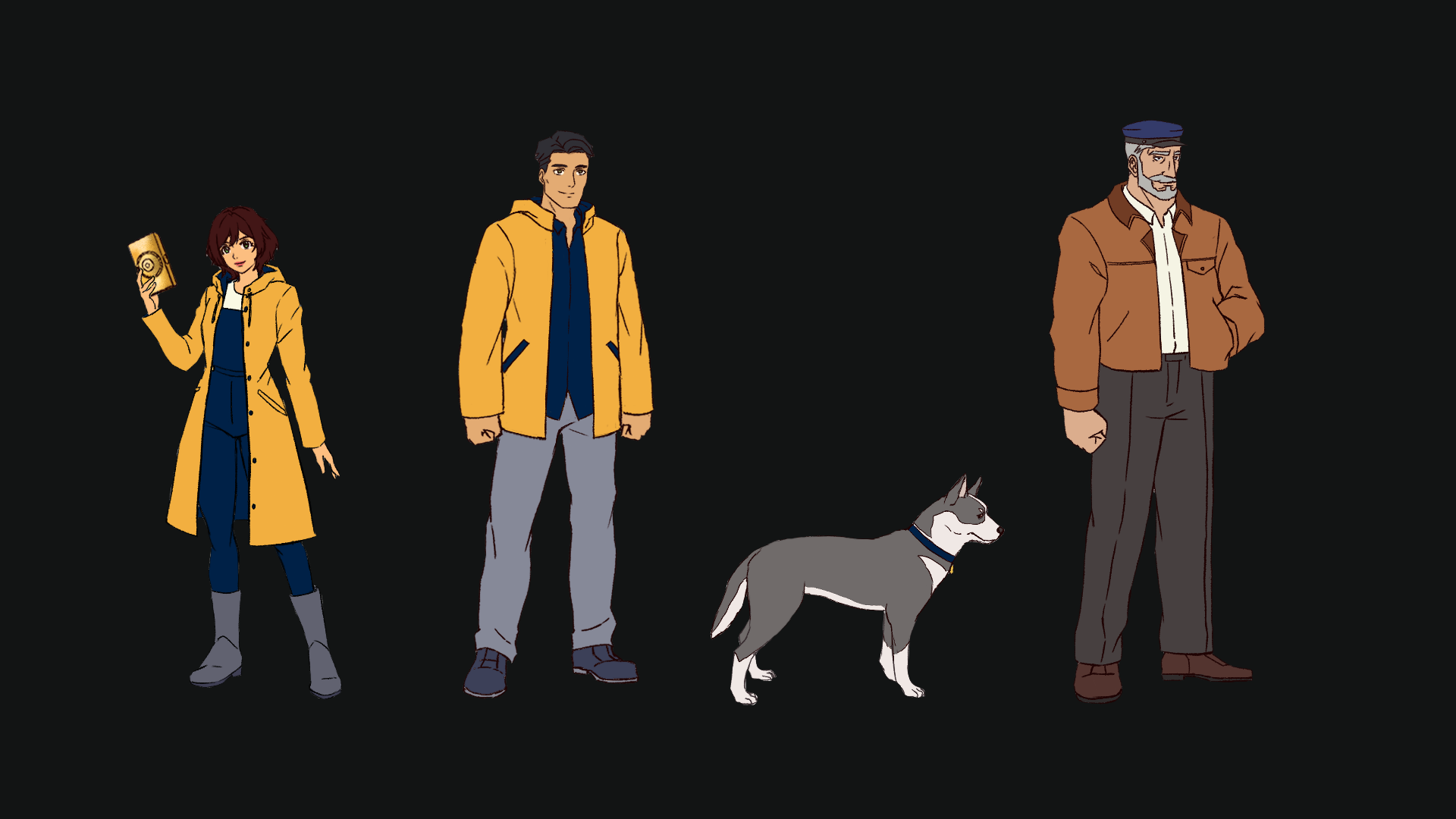
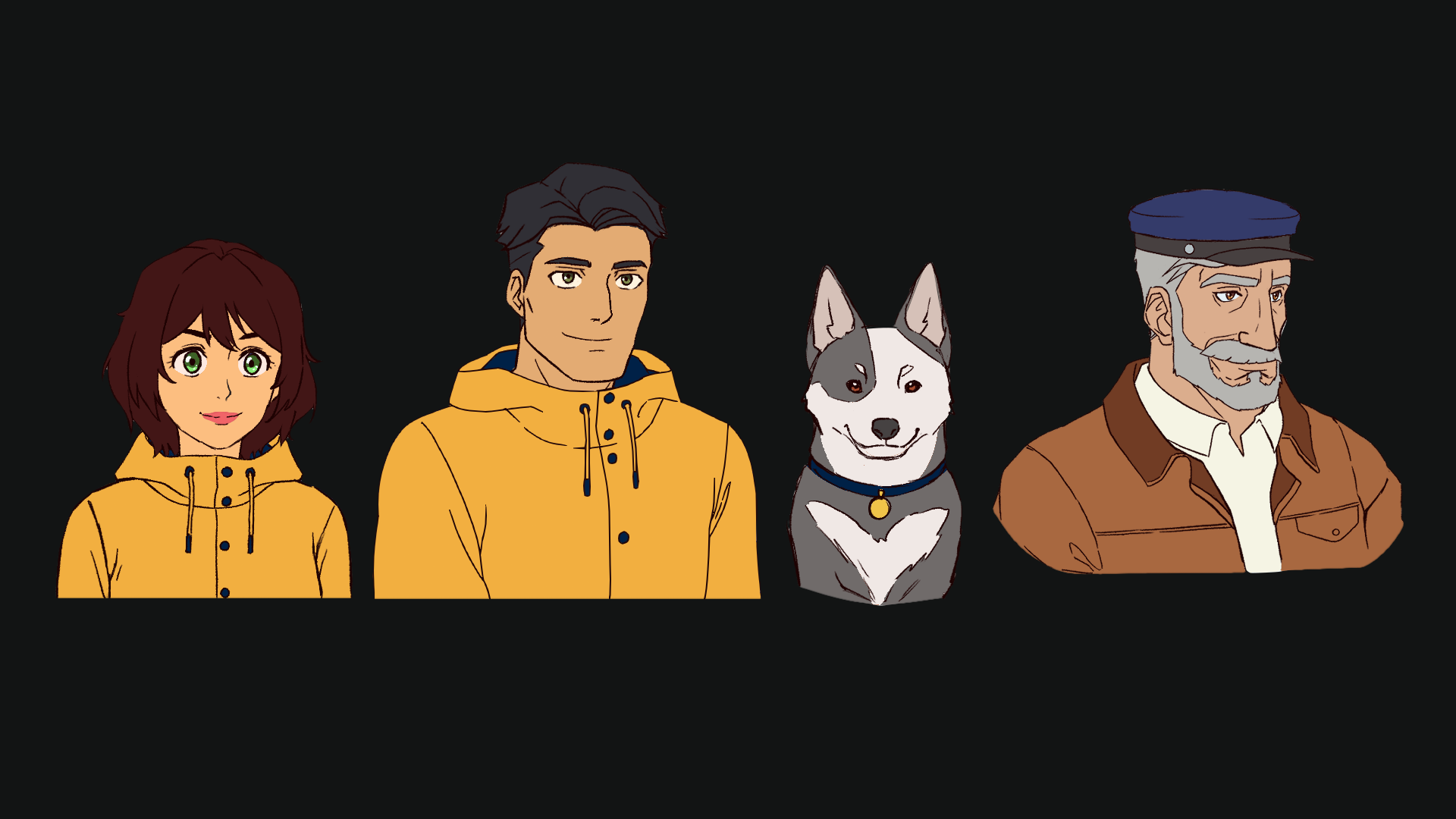
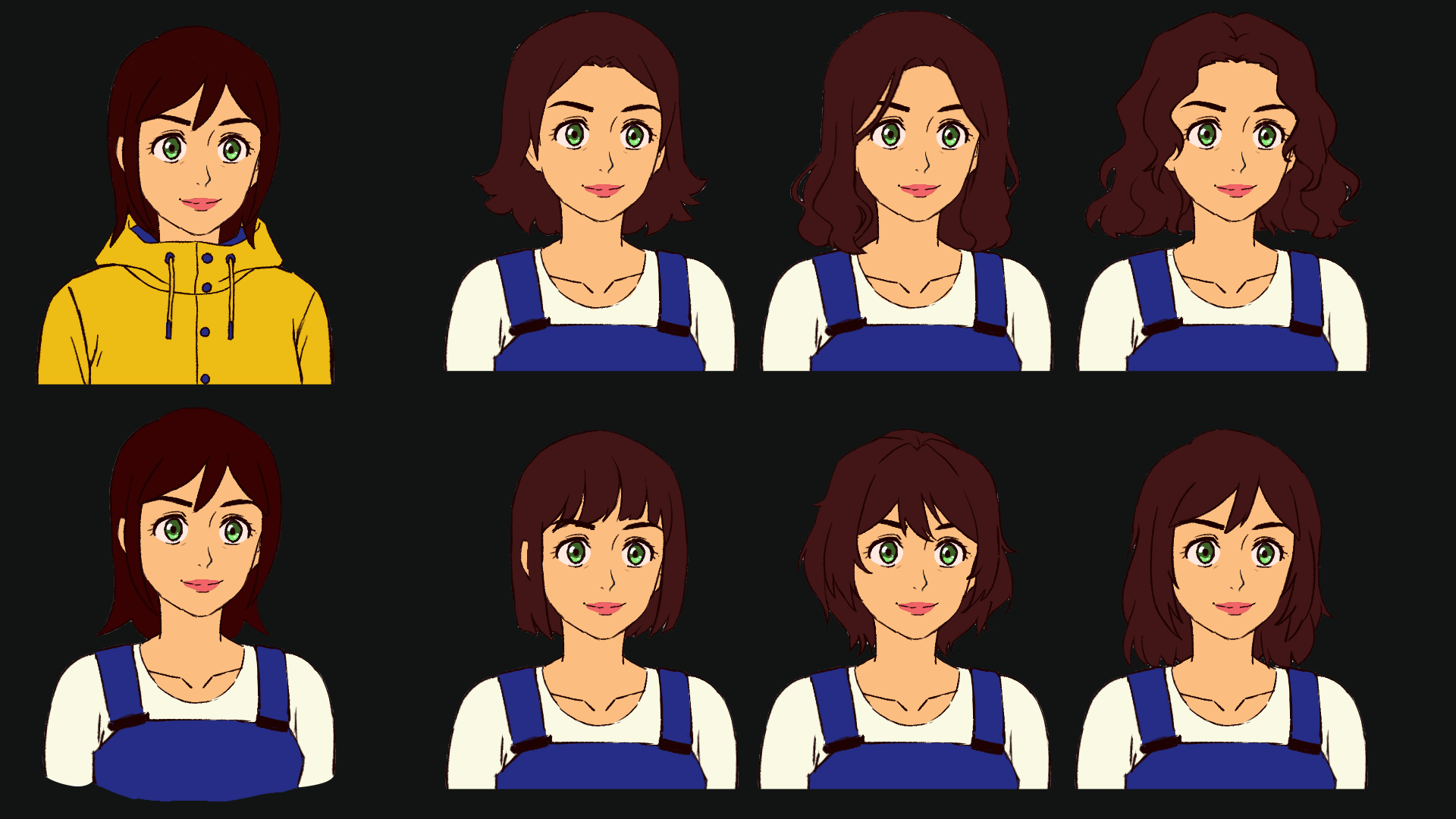
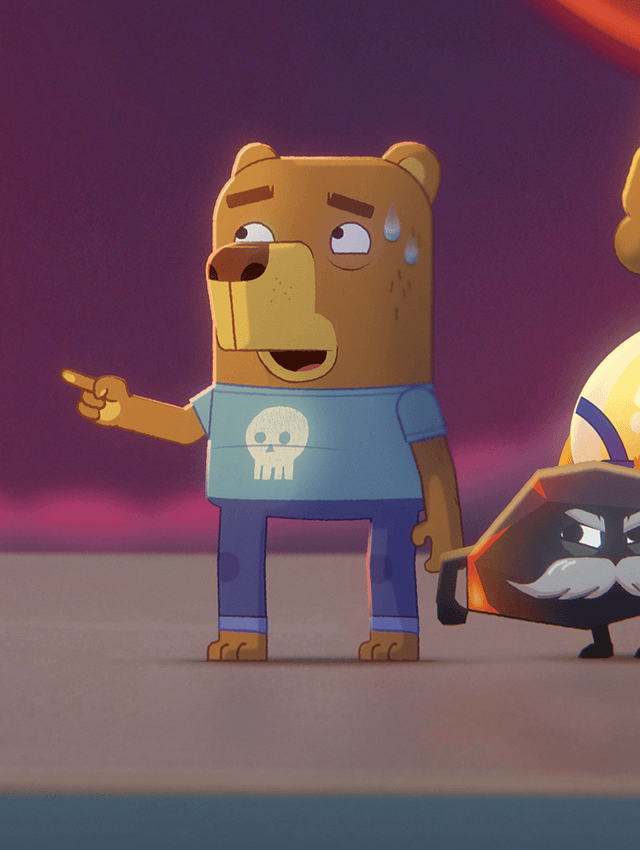
In the film, we had four central characters: the couple, their dog, and the elderly fisherman watching over the harbor entrance. All of them needed to feel like they belonged in the same world, while also having their own unique expressions and small quirks.
The Characters and the Ship Dog
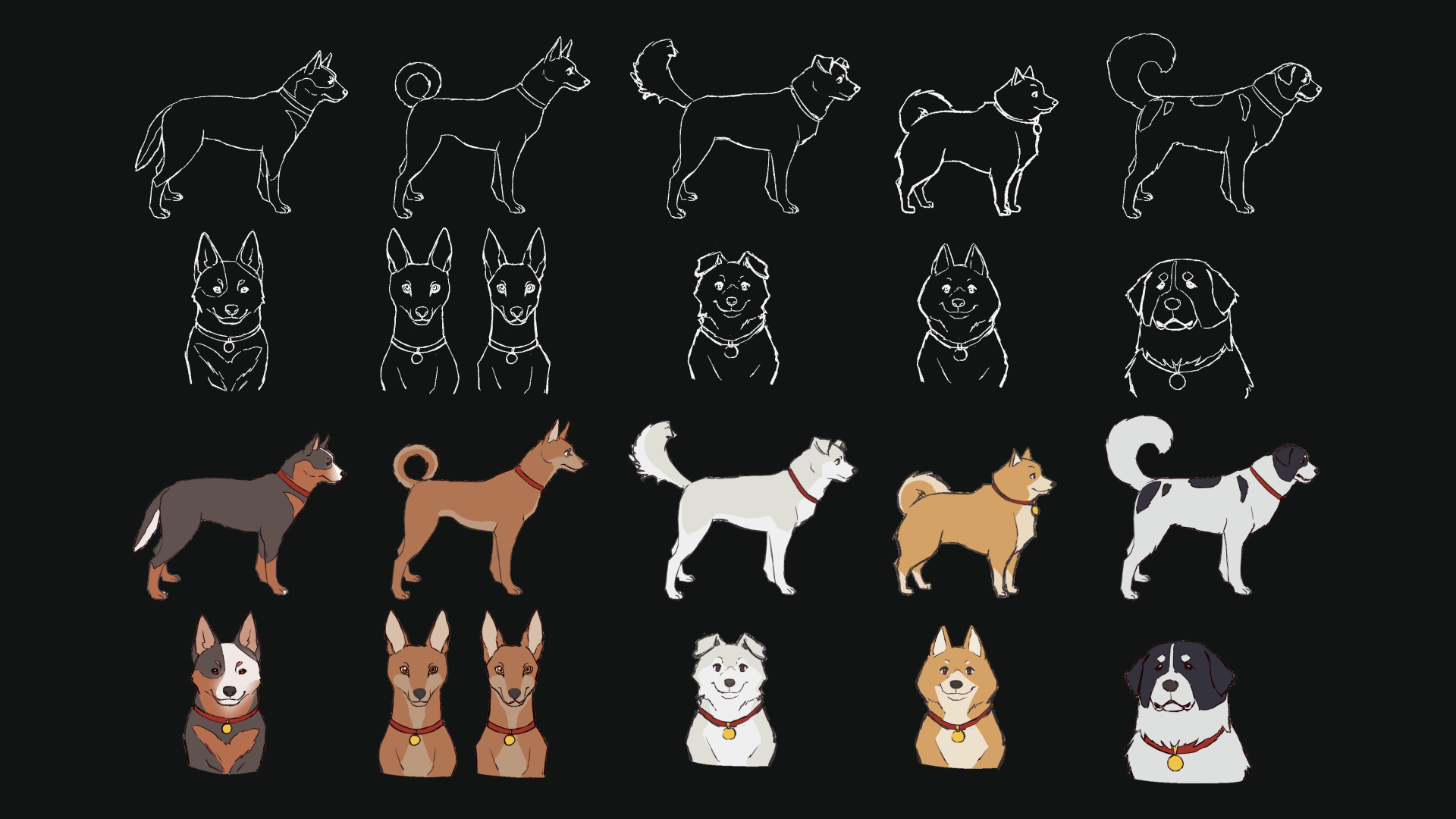
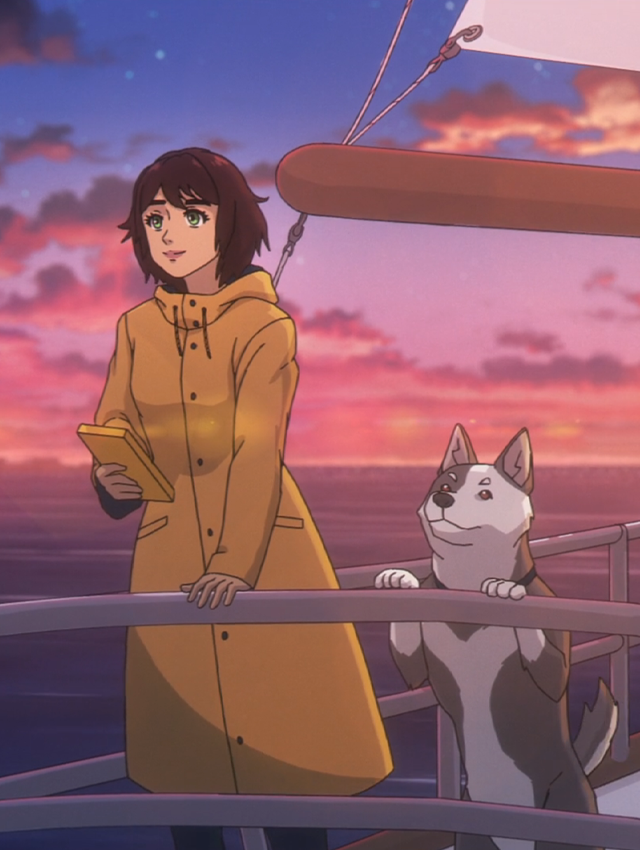
Considerable effort went into designing the characters, especially our ship dog. We tested countless breeds, shapes, color combinations, and personalities before we settled on the dog that eventually joined us on board.
For us, it was important that the dog wasn't just cute, but also felt like an actual part of the crew. It needed to have a clear presence in the film, able to react to the storm, the couple, and the situation around it, without completely stealing the show. It struck a rather nice balance between charm, humor, and that loyal feeling you want a ship dog to embody.
The same idea guided the work on the couple and the fisherman. They needed to be simple enough to function in a stylized world, yet possess enough personality to feel alive. Small details like posture, glances, and the pace of their movements became crucial in conveying who they are.
The Sea and the World
When working with animation, and especially 2D animation, a clear distinction is often made between animated objects and static backgrounds. This is simply because it quickly becomes very demanding if every part of every frame has to be animated by hand. Therefore, backgrounds in this type of production are often illustrated and still, while characters and certain effects move on top. In this film, this approach largely worked well. Many of our environments could be built as illustrated backgrounds with a lot of atmosphere and detail. But we also faced a bigger problem: we needed a ship out on an open, stormy sea. And a stormy sea is anything but static.
The solution was to create the sea and the boat in 3D. This way, we could make the waves, the ship's movement, and the camera feel more physical and alive. After that, we placed our hand-drawn characters into that world and continued working with lighting, composition, and effects to make everything feel like a cohesive image.
It was quite a technical solution, but the goal was never for it to feel technical. The aim was for the audience to feel the storm, the weight of the boat, and the vulnerability out at sea.
Character Animation
Cel animation became the core of the film. It was where we could incorporate the small human details that make the characters feel alive. The process began with rough animation, where we focused on timing, rhythm, and expression. At this stage, the animation could be quite sketchy, as long as the movement felt right.
Once the movements were established, we moved on to clean-up. Then the lines were refined, and the characters received their final look. This is a task that requires great precision, as each frame needs to work both individually and in motion with the others.
After that, the animation was colored and assembled with backgrounds, 3D elements, and effects. Some scenes were particularly tricky, especially those where the characters needed to interact with the boat, wind, water, or other parts of the environment. Much of the work there involved making the different layers feel as if they were actually influencing each other.
The combination of everything
What was most interesting about the production ultimately proved to be the most challenging: the combination of techniques. The film consists of hand-drawn 2D characters, illustrated backgrounds, 3D animated ocean and boat, as well as cel-animated effects and compositing.
Each technique has its own logic. 3D provides volume, weight, and camera movement. 2D offers intimacy, expression, and a handmade feel. The illustrations build the world and the atmosphere. The effects tie everything together with wind, water, light, and motion.
Our job was to make all these elements feel like one cohesive film. Not like a technical mashup, but like a living world where nothing stands out in the wrong way. When it works, you don't think about what's 2D, 3D, or compositing. You just follow the boat out to sea.
Kontakta oss
Välkommen att kontakta oss för offertförfrågan eller bara bolla idéer. Hör av er till Linus@studio-konkret.se









.png)